

Colour Differences of MDPE Pipes
Colour Differences of MDPE Pipes


 Back
Back
A Deep Dive into the Colour Differences of MDPE Pipes: Significance, Application, and Functionality
Medium Density Polyethylene (MDPE) pipes are an essential part of modern infrastructure. They are used across a variety of applications, from transporting potable water and gas to carrying wastewater. What sets MDPE pipes apart from other types of piping materials is their ability to withstand environmental stress, resist chemicals, and maintain flexibility. But one of the most distinctive features of MDPE pipes is their colour. Although this might seem like a purely aesthetic choice, the colours of MDPE pipes are incredibly significant in ensuring safety, efficiency, and proper use in different systems. In this comprehensive guide, we will explore the various colours of MDPE pipes, their significance, and the functional reasons behind the colour-coding system. We'll also discuss how these pipes are used in different applications, the standards and regulations behind the colour choices, and how these colour distinctions contribute to better management of infrastructure systems.
What is MDPE Pipe?
Before delving into the colour distinctions, it's important to understand what MDPE (Medium Density Polyethylene) pipes are. MDPE pipes are made from a type of polyethylene plastic that is commonly used for the transportation of various substances. They are highly resistant to impact, have excellent chemical resistance, and can handle a wide range of temperatures. MDPE pipes are typically used in water, gas, and sewerage systems, and they are known for being more flexible and durable than some other types of piping materials. The manufacturing process involves extruding the MDPE material into long tubes, which can then be cut to different lengths and diameters based on their intended application. The pipes are often chosen for their resilience, cost-effectiveness, and ease of installation. MDPE pipes are available in a variety of colours, each serving a specific purpose. The colour coding is not arbitrary – it serves as a safety feature, making it easier to identify the type of pipe and the substance it carries. This system helps to ensure that the pipes are used correctly and helps avoid hazardous situations. Common Colours of MDPE Pipes and Their Purpose The most common colours for MDPE pipes are blue, yellow and black. These colours are not only used for identification but also for compliance with regulatory codes. Let’s take a closer look at each colour and its intended application
1. Blue MDPE Pipe – Potable Water Supply
The Blue MDPE Water Pipe is one of the most widely used types of MDPE pipe, and it is primarily used for potable (drinking) water systems. The colour blue is chosen because it is universally associated with water, making it easy to identify as a drinking water pipe.
Key features and uses of blue MDPE pipe:
• Potable Water Transport: Blue MDPE pipes are used for the transportation of drinking water in both residential and commercial plumbing systems. They are highly resistant to corrosion and scaling, which is especially important when dealing with water supplies.
• Easy Identification: The blue colour helps workers, contractors, and inspectors easily distinguish water pipes from gas or sewage pipes. Since these pipes are used for drinking water, it is critical to prevent any confusion with pipes that carry non-potable substances, such as gas or waste.
• Compliance with Standards: UK standards and regulations require the use of blue pipes for potable water systems. This ensures consistency in installations and helps maintain safe and clean water delivery.
• Durability: Blue MDPE pipes are resistant to UV degradation, making them suitable for both underground and above-ground installations, although most installations are underground for protection
2. Yellow MDPE Pipe – Gas Distribution Systems
Yellow MDPE pipes are used to carry gas, particularly natural gas, through distribution networks. The colour yellow is used because it is associated with caution and hazard, providing a clear indication that the pipe carries a potentially dangerous substance.
Key features and uses of yellow MDPE pipe:
• Gas Transportation: Yellow pipes are used for gas mains and service connections, as well as gas pipelines. They can be found in both residential and commercial gas supply systems.
• Safety Feature: The bright yellow colour provides a visual cue that the pipe carries gas. This makes it easier to avoid accidental damage during digging, construction, or maintenance work. Workers and contractors can instantly identify yellow pipes, reducing the risk of gas leaks and explosions.
• Risk Prevention: In many areas, damage to gas lines is one of the most dangerous risks in construction or excavation. The yellow colour helps workers avoid mistakenly cutting or damaging gas pipes when performing excavation or drilling.
• Regulatory Compliance: UK regulations dictate that gas distribution systems use yellow pipes. This colour standardization helps prevent dangerous mix-ups and contributes to safe gas distribution infrastructure.
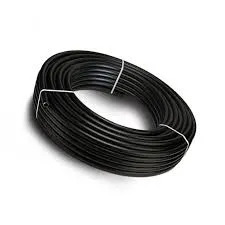
3. Black MDPE Pipe – Non-Potable Water and Irrigation Systems
Black MDPE pipes are primarily used for non-potable water applications. These pipes are designed for transporting water that is not intended for human consumption, such as irrigation water, stormwater, or wastewater.
Key features and uses of black MDPE pipe:
• Non-Potable Water: Black MDPE pipes are typically used for agricultural and industrial water systems.
• UV Resistance: Black pipes are often treated to be resistant to ultraviolet (UV) rays, making them suitable for use in outdoor applications. When exposed to sunlight, black MDPE pipes retain their structural integrity and won’t degrade or become brittle as easily as pipes of other colours.
• Distinction from Drinking Water Pipes: The black colour helps distinguish non-potable water pipes from potable water pipes, which are typically blue. This ensures that only safe water is used for drinking and reduces the risk of cross-contamination.

The Importance of Colour Coding in MDPE Pipes
The use of colour coding for MDPE pipes is not simply a matter of aesthetics. It serves several important purposes:
1. Safety and Identification: Colour coding allows workers and maintenance personnel to easily identify the purpose of each pipe, ensuring they are used correctly. This is particularly important in large systems where different types of pipes may be laid near one another.
2. Regulatory Compliance: Many councils and authorities have strict regulations that mandate specific colours for different types of pipes. Adhering to these standards helps ensure that installations are compliant with safety codes, reducing the risk of accidents or legal issues.
3. Prevention of Cross-Contamination: Colour coding helps prevent the accidental connection of pipes that carry different substances. For instance, connecting a gas pipe to a water pipe could have disastrous consequences, and clear colour differentiation helps avoid such errors.
4. Maintenance and Repair Efficiency: Colour coding also makes it easier for workers to locate, repair, or replace damaged pipes. This speeds up maintenance and reduces the likelihood of mistakes.
Conclusion
MDPE pipes come in a variety of colours, each serving a specific function and purpose in modern infrastructure systems. Whether blue for potable water, yellow for gas, black for nonpotable water, the colour of an MDPE pipe is a visual marker that indicates what substance it is meant to carry. This colour coding system ensures safety, compliance with regulations, and the effective management of different utilities. The importance of colour-coded pipes cannot be overstated, as it contributes to public safety, operational efficiency, and environmental sustainability. Understanding the significance of these colour distinctions is crucial for anyone involved in the installation, maintenance, or repair of MDPE piping systems.
For more information, please contact our knowledgeable and experienced team who are ready to help.