
Understanding Manhole Cover Weight Ratings.


 Back
Back
Manhole covers are fundamental component to public and private infrastructure providing access to chambers or allowing water flow with the use of manhole gratings. To ensure durability and safety, the covers are classified by weight ratings to indicate the maximum load capacity they can withstand.
In this article we will explain the differences between the ratings and highlight the three most common classifications: A15, B125 and D400.
Weight classes defined
A15 – Light Duty
The A15 classification is the most used option for areas where vehicular traffic is not present. For example, private footpaths, lawns and patios and inspection chambers within a driveway not intended for vehicle use.
Class | Max Load (kN) | Max Load (Tonnes) | Typical Use Area |
A15 | 15 | 1.5 | Pedestrian-only areas |
B125 – Medium Duty
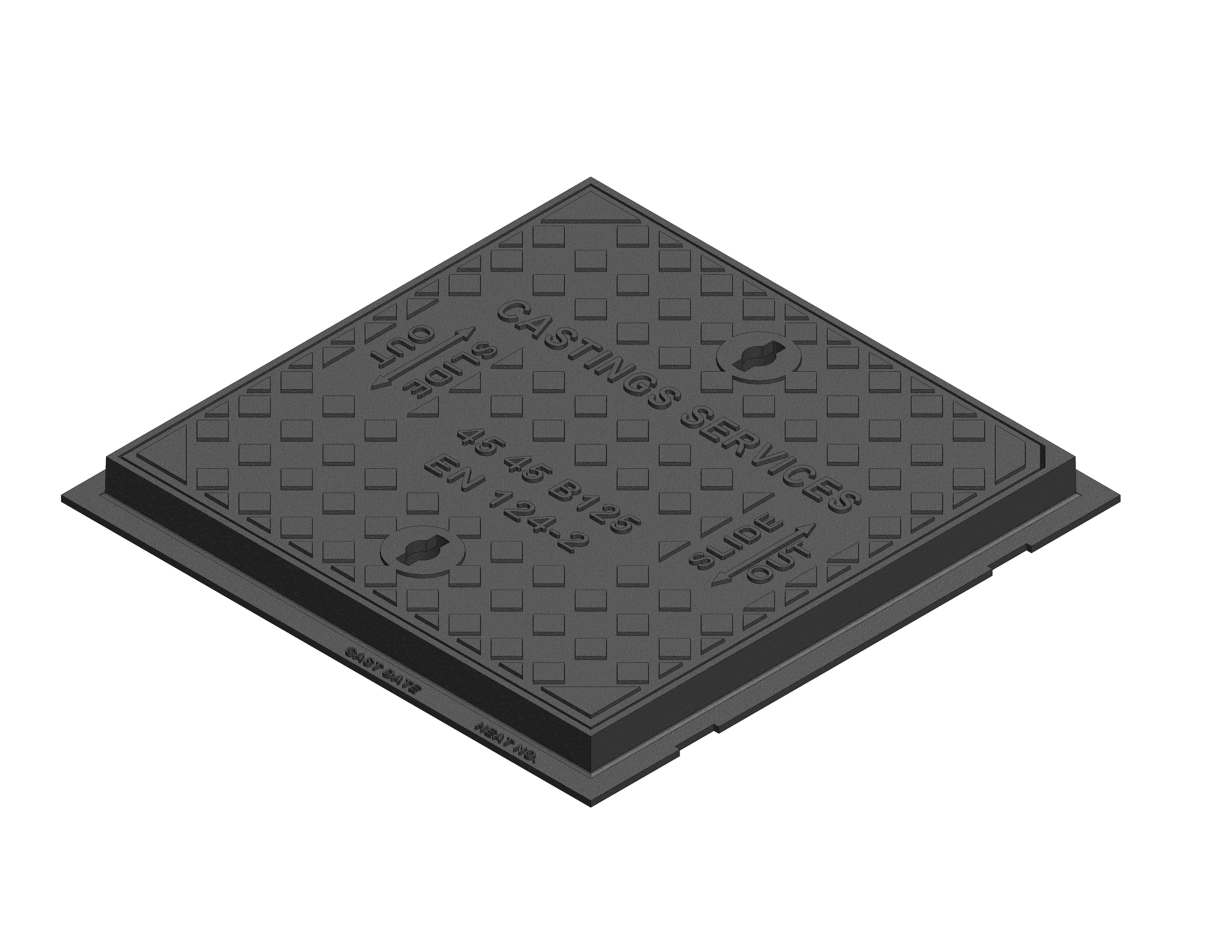
The B125 classification is typically used within areas where there is a mix of pedestrian and light vehicle use. The most common being domestic driveways for family cars, vans and 4x4s but it is also the standard for public footpaths for safety when mounting kerbs.
Class | Max Load (kN) | Max Load (Tonnes) | Typical Use Area |
B125 | 125 | 12.5 | Driveways, Public Footpaths |
D400 – Heavy Duty
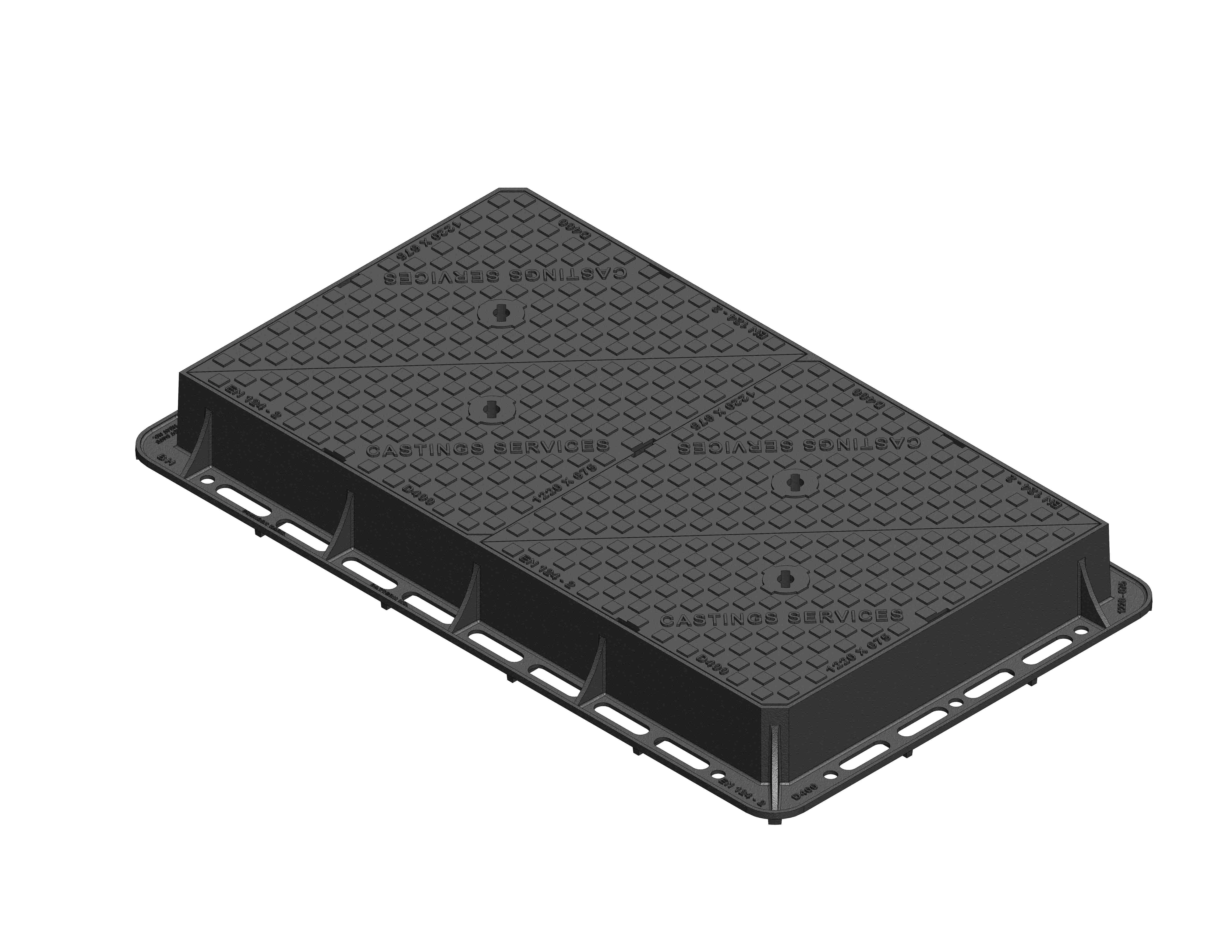
The D400 classification is the requirement for public roads and highways. Covers and ratings marked with the D400 classification have been stress tested to withstand pressures applied by heavy vehicle traffic such as lorries, buses and emergency vehicles.
Class | Max Load (kN) | Max Load (Tonnes) | Typical Use Area |
D400 | 400 | 40 | Public roads, Highways, Heavy Traffic |
Summary
When you are deciding the classification your manhole cover or grating should have, always consider the intended loads and traffic conditions of the area first. If you are unsure, consider consulting your local authority guidelines or a civil engineer to ensure the correct classification is used.
For more information, please contact our knowledgeable and experienced team who are ready to help.
Explore our full Manhole Covers & Gratings range here.