
Understanding the Difference Between Woven and Non-Woven Geotextiles


 Back
Back
Geotextiles are specialist fabrics widely used in civil engineering and construction. From providing drainage solutions to stabilising soil, these materials are incredibly versatile. However, not all geotextiles are the same. The two most common types—woven and non-woven geotextiles—have distinct properties that make each more suitable for particular applications.
In this guide, we’ll explain the key differences between woven and non-woven geotextiles and help you decide which is best for your project.
What Are Geotextiles?
Geotextiles are synthetic fabrics typically manufactured from materials such as polypropylene or polyester. They’re used to reinforce soil, improve drainage, and protect surfaces in a wide range of infrastructure and landscaping projects.
Whether you're constructing a road, managing hillside stability, or improving garden drainage, geotextiles offer a reliable and efficient solution.
With several types available, it’s important to understand how they differ to ensure you select the most suitable material.
Woven Geotextiles:
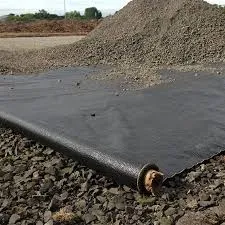
Woven geotextiles are produced by weaving fibres or threads together, resulting in a fabric with a grid-like structure. This gives the material added strength and durability.
Key Features:
- Strength: Designed for high tensile strength, making them ideal for supporting heavy loads.
- Durability: Excellent resistance to wear and tear—ideal for long-term projects or harsh environments.
- Rigidity: Typically stiffer than non-woven types, which can make them harder to install on uneven ground.
Common Uses:
- Road construction: Used beneath roads and pavements to provide stability and prevent the mixing of soil and aggregate.
- Erosion control: Helps stabilise soil in areas with heavy footfall or severe weather conditions.
Non-Woven Geotextiles:
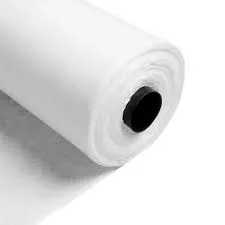
Non-woven geotextiles are made by bonding fibres together using mechanical, thermal or chemical methods. This creates a felt-like fabric that is softer and more flexible than woven varieties.
Key Features:
- Filtration and drainage: Ideal for situations where water needs to pass through while blocking soil particles.
- Flexibility: Easier to handle and install, especially on uneven terrain or in confined areas.
- Protection: Commonly used to protect surfaces such as membranes or soils from damage.
Common Uses:
- Drainage systems: Perfect for French drains, soakaways, and retaining walls due to their filtration properties.
- Landscaping: Used to separate soil layers, prevent weed growth, and enhance drainage in garden projects.
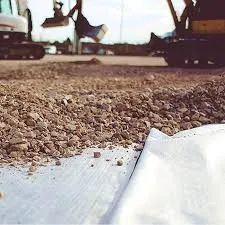
- Soil separation: Helps prevent the mixing of different soil types in both domestic and commercial groundworks.
Woven vs Non-Woven Geotextiles: What’s the Difference?
Although both types are made from synthetic fibres, their manufacturing process and structure result in different performance characteristics.
Feature | Woven Geotextiles | Non-Woven Geotextiles |
Filtration | Less effective due to tight weave | Excellent – allows water through while filtering soil |
Flexibility | Rigid and less adaptable | Soft, pliable, and easy to install |
Durability | Long-lasting and resistant to mechanical stress | Good protection but not as robust |
Choosing the Right Type for Your Project
Selecting the appropriate geotextile depends on your project’s requirements:
- Need strength and stability? Woven geotextiles are best for applications such as road building or load-bearing foundations.
- Need drainage and filtration? Non-woven geotextiles are ideal for managing water flow, such as in French drains or garden landscaping.
- Looking for ease of installation and affordability? Non-woven options are generally more flexible and cost-effective.
Still unsure? Speak to one of our experts for guidance tailored to your specific project needs.
📞 Call us: 03301 740 740 📧 Email: [email protected]
Conclusion
Both woven and non-woven geotextiles offer significant benefits, depending on the task at hand. Woven geotextiles are perfect for load-bearing and long-term durability, while non-woven geotextiles excel in drainage, filtration, and separation applications.
By understanding the differences, you’ll be better equipped to choose the right material—ensuring your project is not only efficient but built to last.
Whether you’re managing a large-scale infrastructure project or undertaking a small garden improvement, choosing the right geotextile is a decision to be considered thoroughly.